

Geneva — 3 September 2026
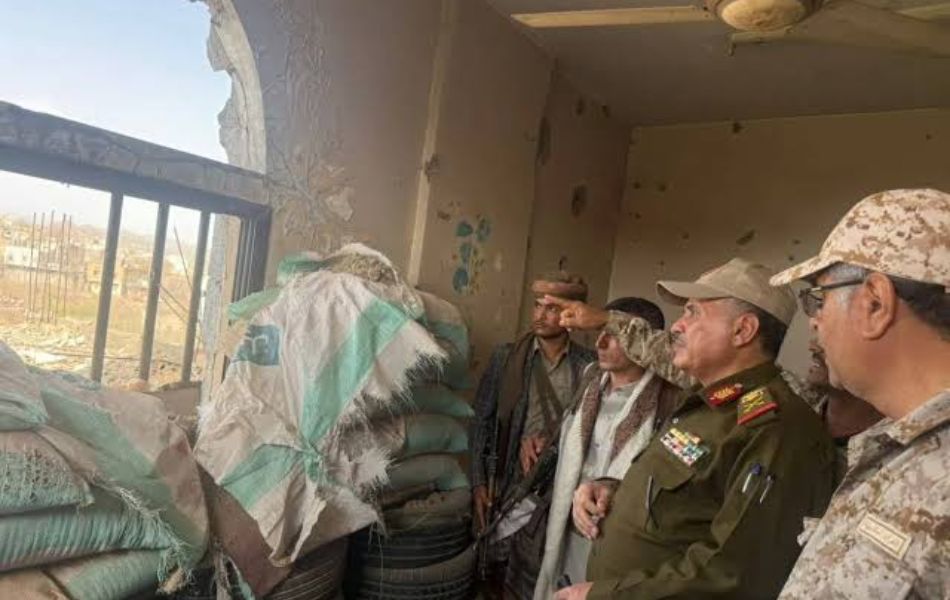
SAM for Rights and Liberties welcomes the directives issued by the leadership of the Taiz Military Axis, signed by the Axis Commander, Major General Khaled Qasim Fadel, and addressed to members of the armed forces across the various fronts in the governorate, particularly the Al-Kadahah and Maqbana fronts. The directives emphasize the protection of civilians and adherence to the rules of international humanitarian law during military operations.
The organization considers the inclusion of the principles of distinction, proportionality, military necessity, and precaution, as well as the emphasis on protecting women, children, and the elderly, safeguarding civilian property, places of worship, educational institutions, and medical facilities, to be a positive step worthy of recognition—especially amid the escalation of military operations and their proximity to densely populated areas.
SAM stresses that the protection of civilians is not merely a moral obligation or a matter of military guidance; rather, it is a binding legal duty applicable to all parties to the conflict, which cannot be suspended or diminished under any circumstances. The presence of opposing forces within residential areas, the use of civilians as human shields, or the commission of violations against civilians by any party does not exempt the other party from its independent obligations to take all feasible precautions and to select means and methods of warfare that minimize civilian casualties as much as possible.
The organization believes that the significance of these directives is further heightened by the intensification of hostilities, making it essential to translate them into clear and binding operational rules for all units, commanders, and fighters. These principles must be integrated into military planning, the issuing of orders, target selection, and the use of weapons, alongside providing the necessary training on rules of engagement and the principles of international humanitarian law.
SAM calls on the Taiz Military Axis leadership to establish an effective mechanism for monitoring the implementation of these instructions, documenting allegations of civilian casualties or damage to civilian objects, conducting independent, serious, and transparent investigations into any potential violations, holding those responsible accountable, and ensuring victims’ right to remedy and reparation. Accountability remains the fundamental guarantee that such directives do not remain merely written principles without tangible impact on the ground.
The organization further emphasizes the need to ensure that medical and humanitarian relief teams have access to affected civilians, that the evacuation of wounded individuals and civilians from areas of danger is not obstructed, and that weapons with wide-area effects are avoided in densely populated areas. It also calls for rigorous verification of the nature of targets before any attack, and for the cancellation or suspension of any operation whenever disproportionate risks to civilians become apparent.
While SAM welcomes this step, it calls on all parties to the conflict in Yemen—particularly the Houthi group—to issue similar and binding directives, cease targeting civilians and civilian objects, refrain from using residential areas for military purposes, stop the planting of landmines, and avoid using civilians as human shields. All parties must fully and unconditionally comply with the rules of international humanitarian law.
SAM reaffirms that it will continue, independently and impartially, to monitor the conduct of all parties to the conflict and document violations regardless of the perpetrators. This commitment is based on the principle that the lives and dignity of civilians must never be subjected to military or political calculations, and that the legitimacy of any military operation is measured not only by its objectives but also by the extent to which it strictly respects the law and protects human life.